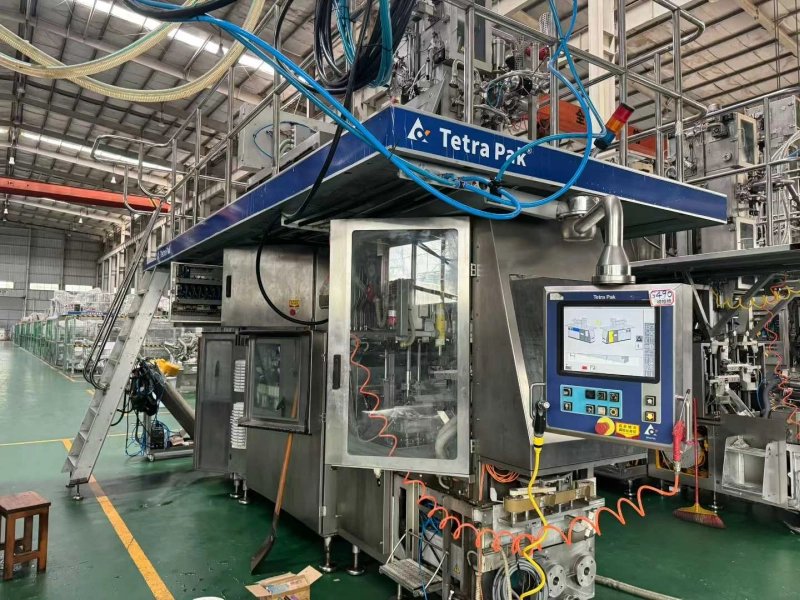
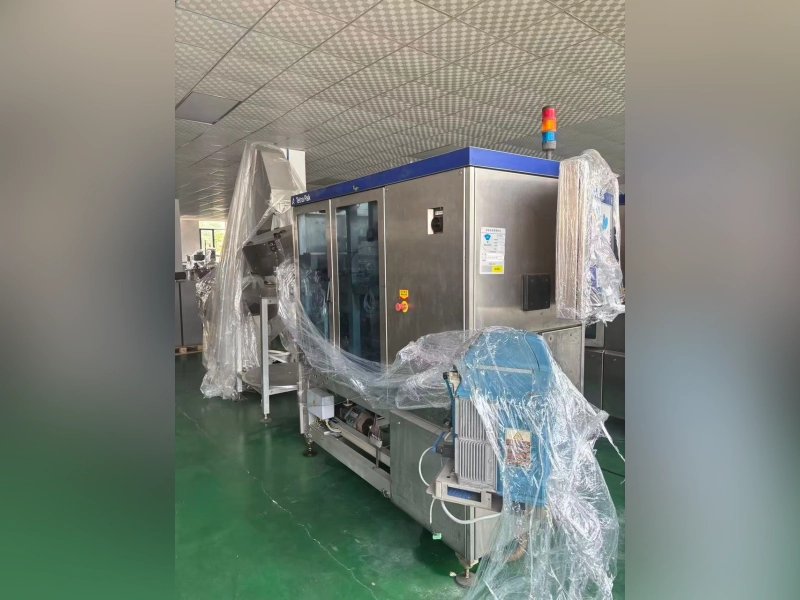
Technical Specifications & Performance Data The Used Tetra Cap
Applicator TCA45 is a robust, single-head cap application unit from
Tetra Pak®, engineered for reliable operation in beverage production
environments and seamless integration within a used bottling line.
Purpose-built for continuous industrial packaging, it offers steady
output with precise cap application after filling and before packing.
Manufacturer: Tetra Pak® Model: TCA 45 TETRA PACK Year of
manufacture: 2004 Nominal speed: up to 7,500 bricks/hour No. of heads:
1 Cap type: OEM code 4 (per manufacturer specification) Rotation
direction: OEM code 0 (per manufacturer specification) Category:
Capping Machine / Cap Applicator Placement: downstream Tetra Pak
filling, upstream final packaging Container compatibility: Tetra Pack
bricks with appropriate change parts Typical products: water, juice,
beer, wine, and other still beverages Documentation: manuals available
Safety: integrated safety features included Advanced Automation &
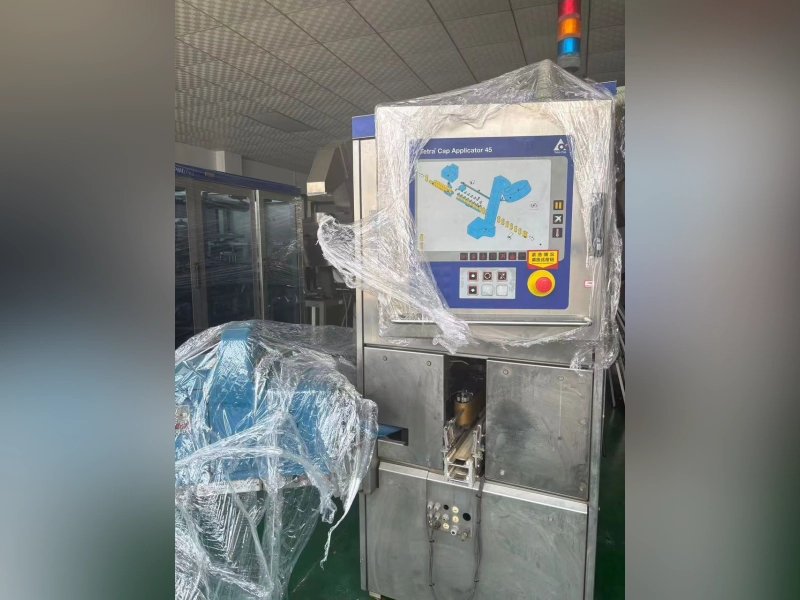
Control Systems Designed around an industrial PLC with a user-friendly
HMI, the TCA45 facilitates stable, repeatable cap application.
Recipe-based settings support format recall, and process alarms help
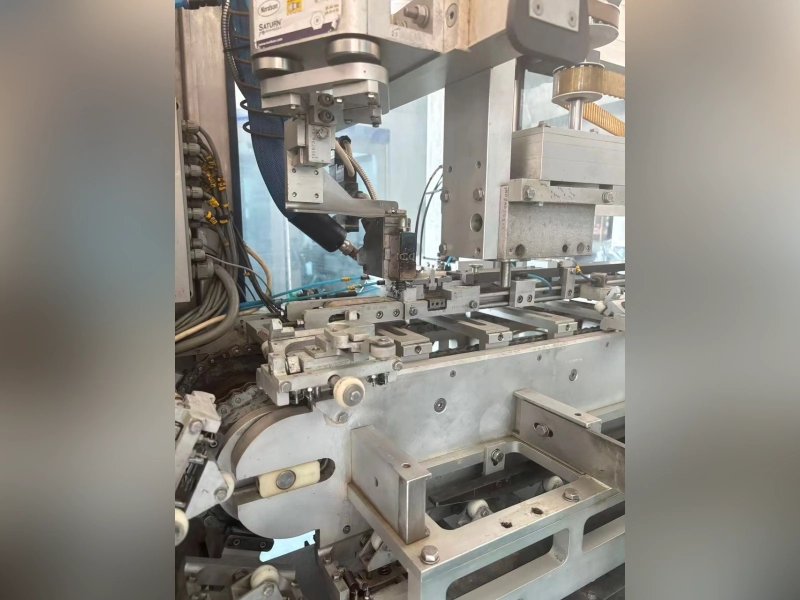
operators maintain consistent performance. Torque control, cap
presence verification, and fault diagnostics contribute to cap quality
and minimize rework in high-speed beverage production. PLC/HMI control
for straightforward operation and monitoring Automatic fault detection
with guided troubleshooting Integration-ready I/O for upstream filling
and downstream packing synchronization Electrical: built for standard
industrial power supplies (details per manual) Machine guarding with
interlocked access doors and emergency stop circuits Production Line
Integration Capabilities This cap applicator is well-suited to second
hand or newly engineered used bottling line projects. It interfaces
efficiently with infeed/outfeed conveyors, bottle orienters, fillers,
and labelers, ensuring balanced line flow and minimal downtime.
Compatible with Tetra pak fillers. Communication-ready for line
control and buffer management Machine Condition & Maintenance History
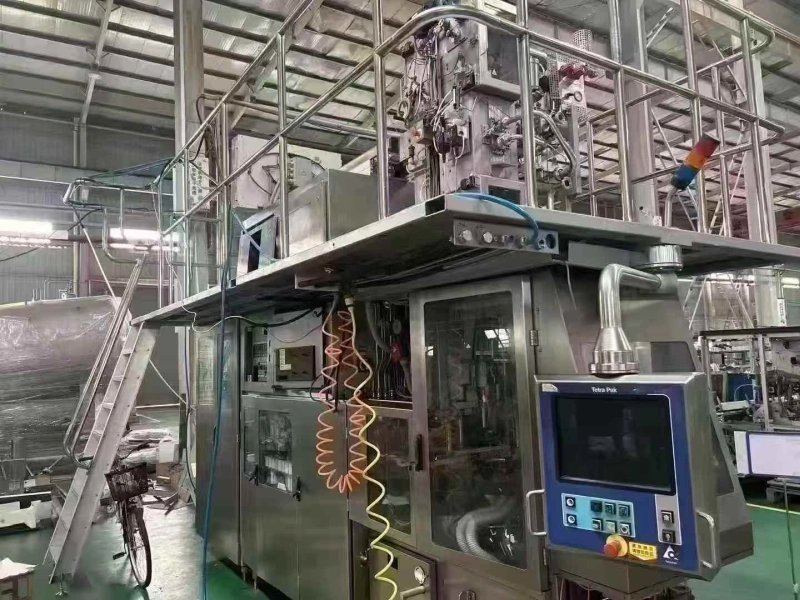
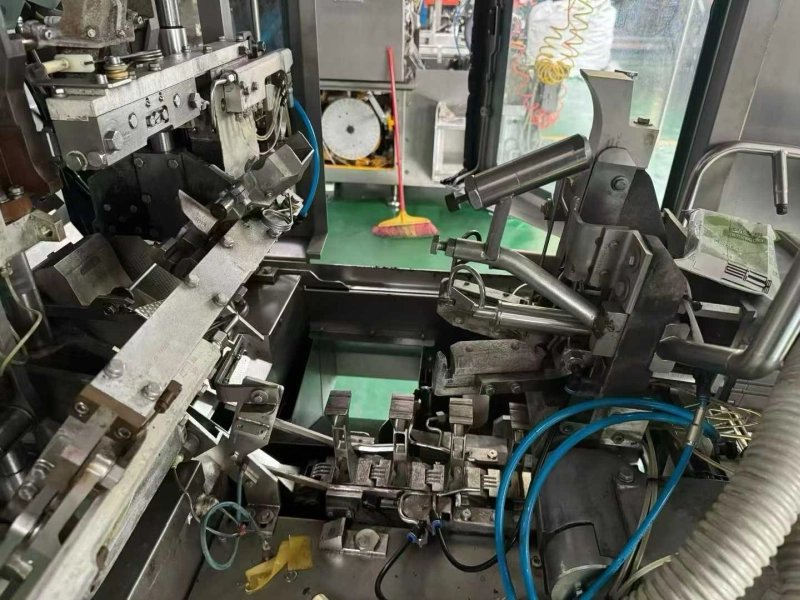
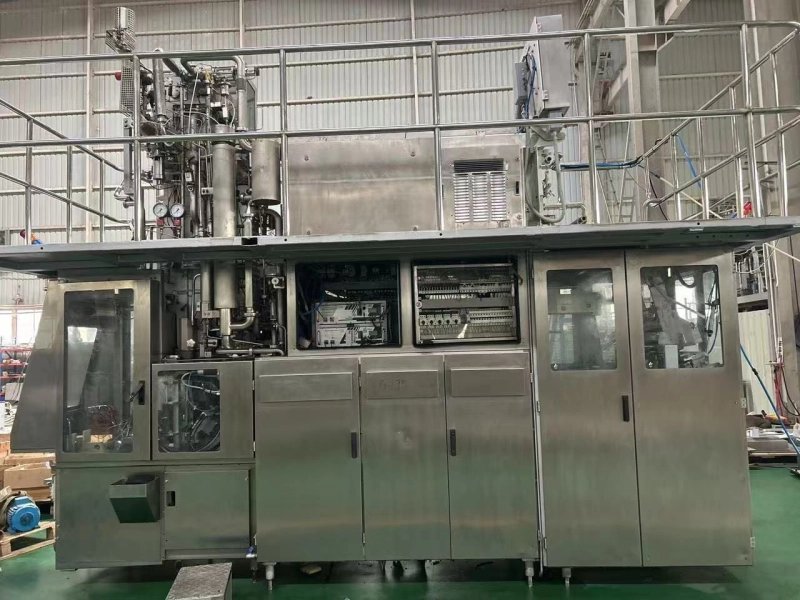
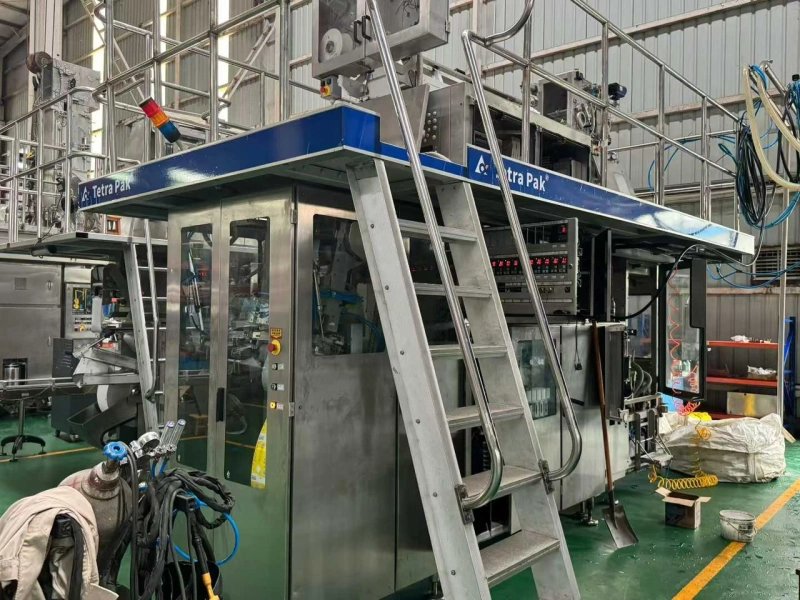
The unit is currently under maintenance, undergoing inspection and
service to verify core functions and safety systems. Wear components
are being checked and adjusted as needed to align with expected
performance at up to 7,500 bricks/hour. OEM manuals are available to
support commissioning, operation, and preventive maintenance
schedules. Operational Performance & Versatility Optimized for
consistent, high-quality capping, the TCA45 supports a broad mix of
beverage formats common in industrial packaging. With suitable change
parts, it can handle PET and glass bottles as well as aluminum
containers, making it versatile for diversified production runs.
Suitable applications: water, juice, beer, wine, functional drinks,
and similar beverages Stable cap application to support product
integrity and shelf-life Gentle handling to minimize scuffs on brick
container. Reliable performance for medium-speed lines seeking a
compact, single-head solution Installation Requirements & Site
Preparation For efficient commissioning, ensure the site is prepared
to accommodate utility connections and line layout. The machine’s
footprint, infeed/outfeed conveyor heights, and cap supply route
should be aligned with existing rinsing, filling, and labeling
equipment. Power supply per OEM manual; standard industrial 3-phase
service Compressed air for cap pick-and-place and actuator functions
Provision for a cap feeding/sorting system and chute (if not already
in the line) Stable, level floor with adequate access for operation
and maintenance Clear overhead space for cap conveyor or elevator
integration Safety Standards & Compliance Certification Built with
operator protection and hygienic operation in mind, the TCA45 includes
interlocked guards and emergency stops to enhance workplace safety.
Cleanable surfaces and food-grade design practices support sanitary
beverage production. Perimeter guarding with safety interlocks on
access doors Emergency stop devices at operator stations
Risk-reduction features aligned with common industry practices for
capping equipment Hygiene-oriented design to integrate with cleaning
protocols on bottling lines




 Suíça
Suíça